


I’m in London, speaking at Semrush Spotlight this week. Come, say hi! Quick shoutout to our friends at dofollow.com, whose Visibility+ service helps B2B SaaS brands uncover where they’re missing from AI answers and traditional search—and close those visibility gaps. If you want to see where competitors may be showing up before you, see where your brand is missing →
39% of US consumers have used AI for shopping, according to Adobe, and Salesforce says AI influenced 20% of purchases during last year’s BFCM. But only 11% let AI make purchases for them.
So AI’s influence sits in product recommendations, aka the shortlist. And the shortlist gets built from what your customers do after they buy: the reviews they write, the videos they post, the brand names they search. Here is how to build a compounding loop around that new behavior.
From clicks to shortlists
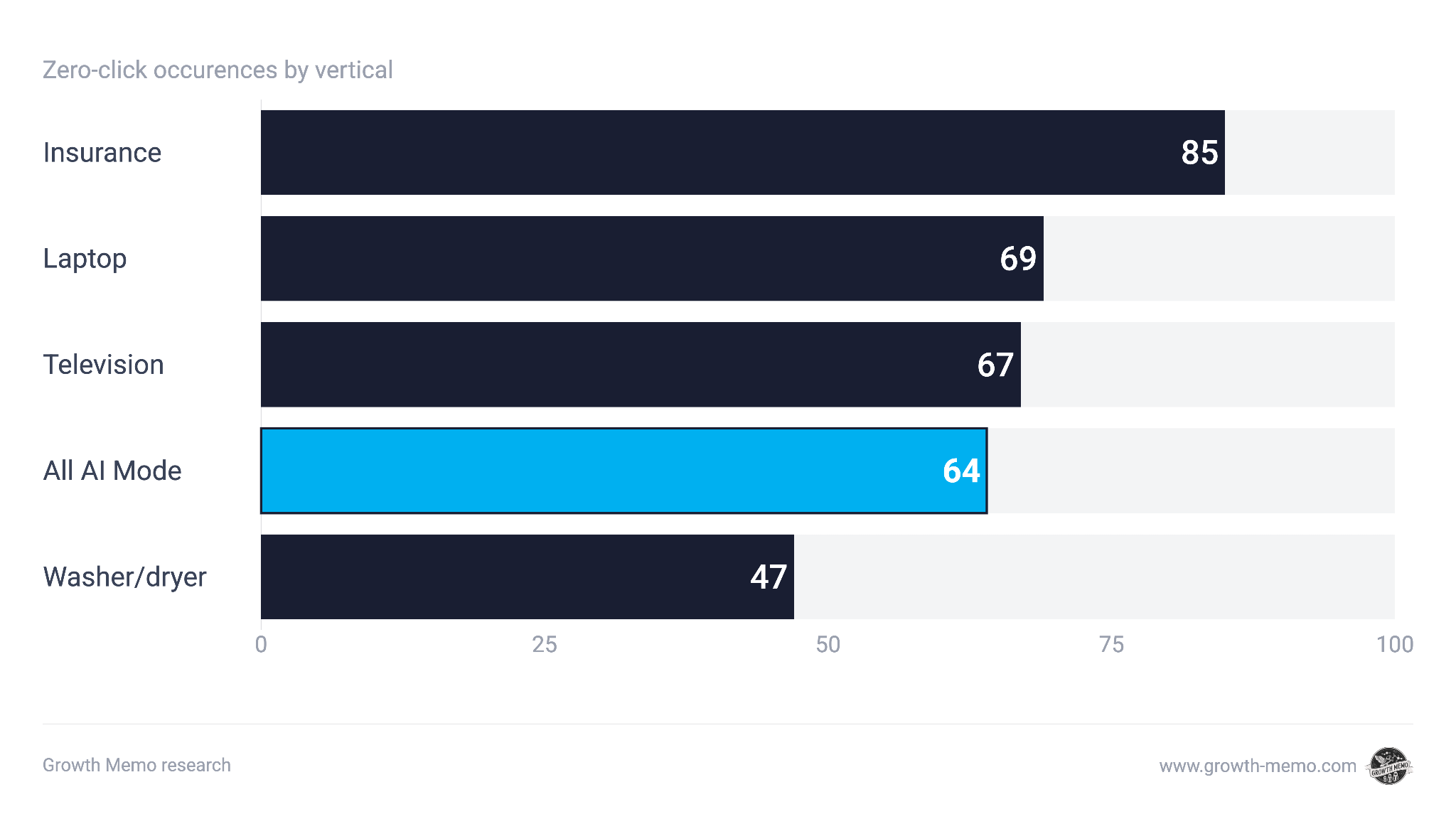
Growth Memo research has repeatedly shown that users accept and trust the shortlist AI serves them: 88% of participants in our AI Mode user behavior study took the shortlist as-is. Consequently, 64% of users clicked nothing on average, and only 23% visited an external site (directly, without clicking a link). Another user behavior study about shopping in ChatGPT shows 93% of sessions had no meaningful click-out; only 3% verified the answer on the open web.
AI Visibility strongly impacts the products users pick: In ChatGPT, AI share of voice and user choice correlate at 0.57 on average. The range runs from grocery (1.0) and supplements (0.9) down to fitness apps (-0.4) and coaching (-1.0). Being at the top of the shortlist is vital: 74% of participants in our study picked the top ranked product in AI Mode. Rank 3 and below get 10%.
The only exception: Shoppers pick a brand they recognize over rank 1. In our AI Mode study, shoppers named brand recognition as a trust signal in 34% of sessions, vs. 23% in classic search. IAB Australia found 59% of AI shoppers trust AI more when they’ve seen the brand advertised elsewhere.
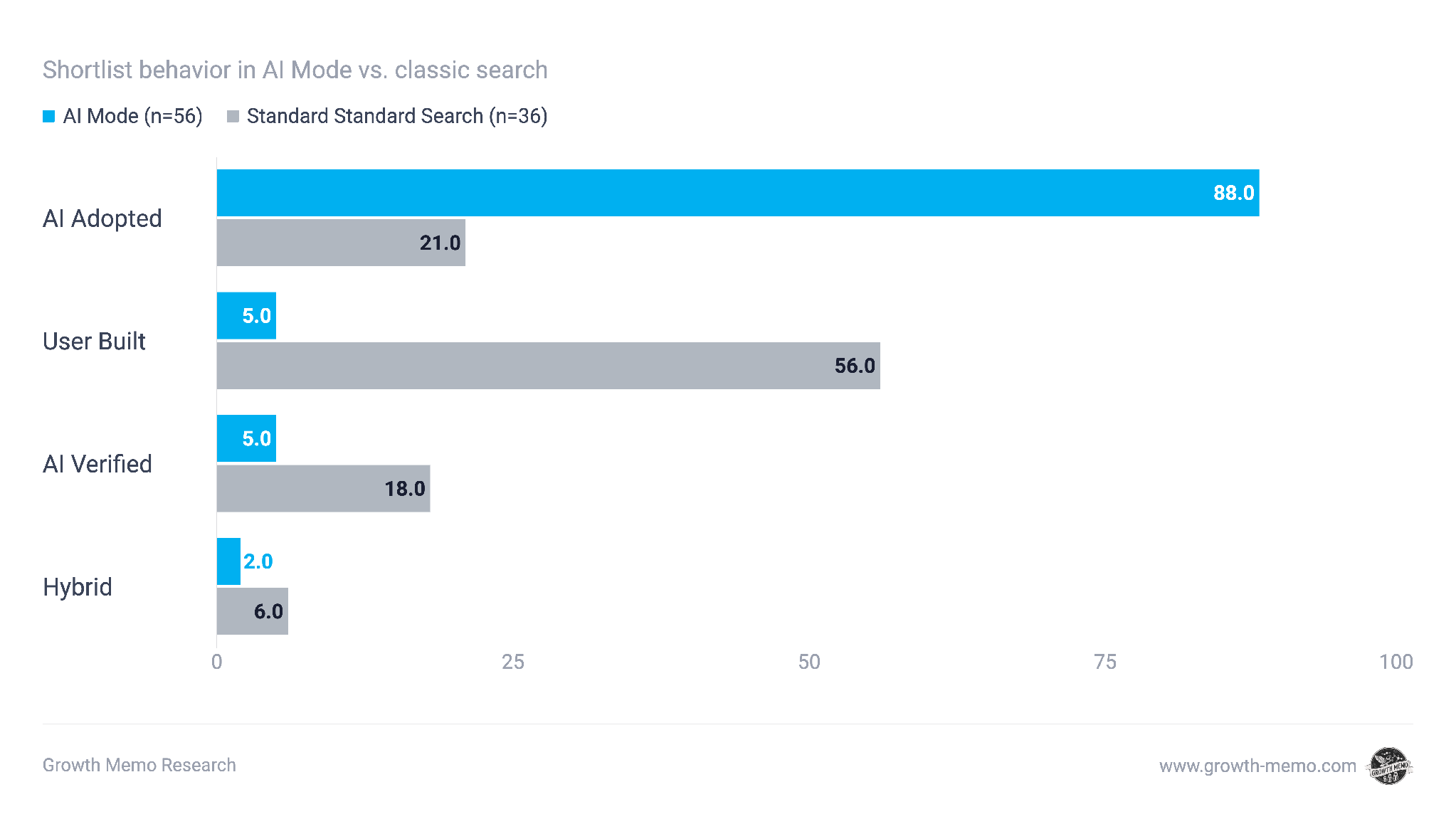
That differs strongly from Search, where 56% of participants built their own shortlist (compared to 5% in AI Mode) and only 21% adopted the shortlist shown in AI Overviews. So, the more Google funnels users into AI Mode, the more important it is to appear in product shortlists.
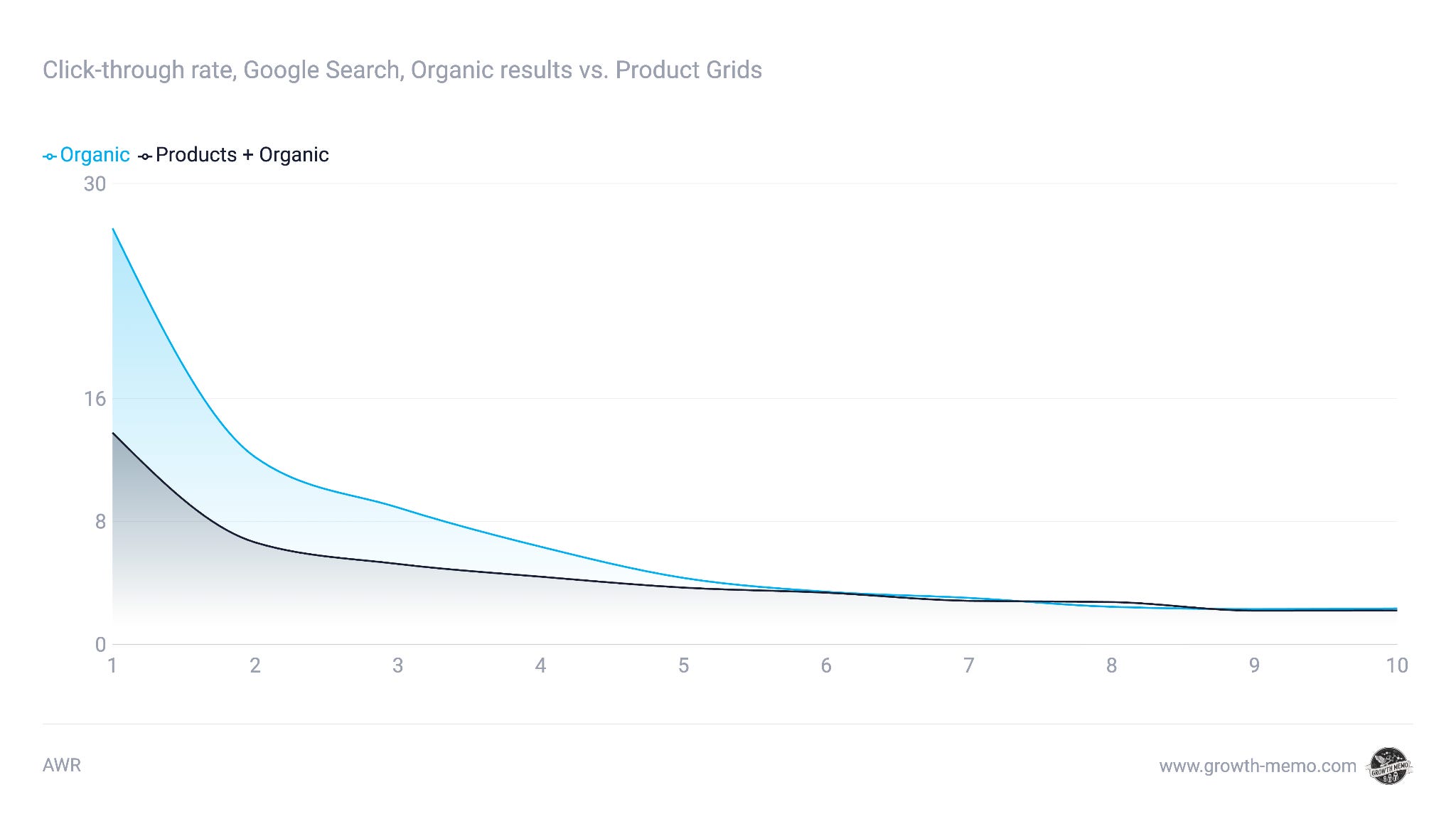
Keep in mind Search is about product grids: 96% of shopping queries surface product grids in an analysis of 4K commercial queries. Shopping Search is not about blue links anymore. When AIOs appear, they cut clicks on blue links in half.
For AI shortlists, tactics you can control (like optimizing your product feed and onsite optimization) only get you so far. AI leans heavily on 3rd-party signals like video, web mentions, and reviews. AI visibility in Google’s AI Overviews has much stronger correlations with YouTube mentions 0.7, branded web mentions 0.7, branded anchors 0.6 and branded search volume 0.4 than metrics like DR 0.3 or referring domains 0.3, according to an ahrefs study. This citation pattern is confirmed in another analysis by Peec AI: Youtube is repeatedly cited as one of the strongest citation sources in AI Mode, AI Overviews, Gemini, and Perplexity.
The catch: none of these signals show up in a last-click report. A creator video that puts you on ChatGPT’s shortlist gets no credit when the shopper buys later. That’s why this episode’s sponsor, AirOps, runs a live session on investing in AI search before measurement catches up!

Join Matt Hammel, COO of AirOps, and Zak Prauer, Expert Partner, Marketing at Bain & Company, on Wednesday, October 15, at 3pm ET / 12pm PT. You’ll learn why every major channel mattered before anyone could measure it, why being recommended matters more than being cited, and how to keep pushing for better evidence without underinvesting.
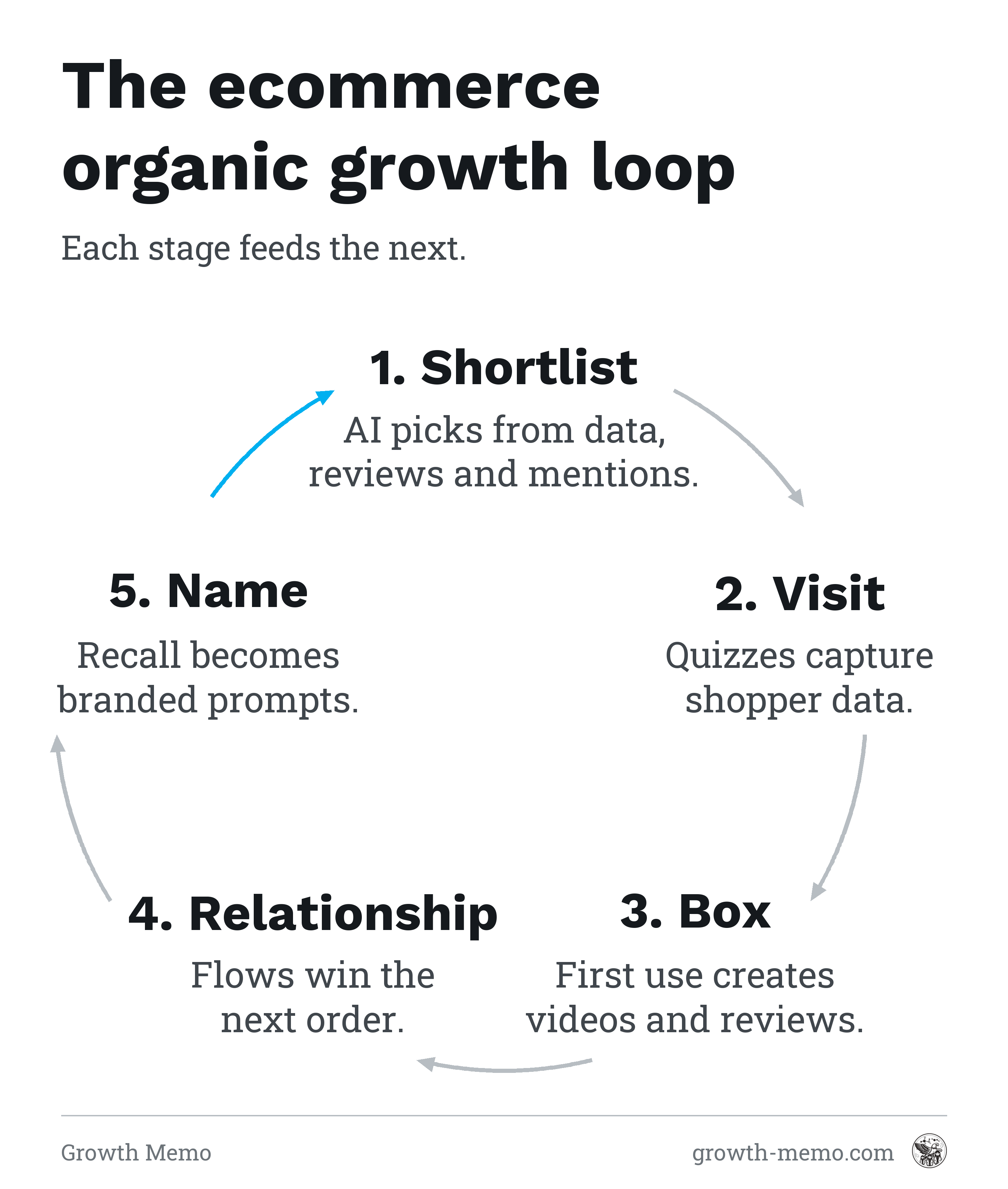
Organic growth in ecommerce runs as a loop
I divide organic growth for ecommerce into 5 steps:
Being visible in the AI shortlist
Capturing more value out of the traffic we still get
Optimizing packaging for engagement
Investing in ongoing relationships
Driving brand trust and recall
At first glance, that’s a funnel with a few extra steps. But each stage hands its output to the next one. The shortlist earns the visit, the visit sells the product, first use builds the relationship, the relationship builds recall, and recall puts you back on the shortlist.
Stage 1: Optimize product feed to be eligible for the shortlist
The ecommerce ecosystem around Google, OpenAI, Shopify, and others is building the infrastructure of the future: shopping protocols. Product feeds mattered to earn appearances in Google’s product grids. Now, they’re critical for AI visibility and direct checkout.
Shopping protocols answer 3 questions for an agent:
What’s available?
Can I buy it?
What happened to the order?
Shopify found a 2x higher conversion rate for product listings in its catalog.
Do:
Connect feeds and checkout through UCP or ACP. Fill every feed field and use high-quality images.
Collect verified reviews on Trustpilot and your site.
Lead product titles with your differentiator. Descriptions say who it’s for, how it performs, and how it compares.
Answer 8 to 10 real buyer questions on each product and category page.
If you want to know how your product pages hold up before AI builds its next shortlist, the E-GEO Audit Tool in the premium library scores your product descriptions against the features that are proven to lift visibility in AI shopping recommendations. Pair it with the Agentic Commerce Playbook, a 70+ item checklist for getting products into ChatGPT, Copilot, and AI Mode, phase by phase. Both are in the Growth Memo Premium Resource Library.
Stage 2: Maximize traffic you still get with tools
AI sends fewer, more qualified visitors, but they still need confidence on fit, taste, and comparison. Tools like quizzes, calculators and buyer guides help them decide and help you capture valuable 1st party data.
Quizzes can convert around 5% of takers into orders, roughly 2.75x the typical conversion rate. Beauty merchant Lawless built its quiz around the one question ChatGPT can’t settle for a shopper: which concealer shade fits. It converts at 36%, with 80% completion and a 34% higher AOV.
Quizzes also build a first-party email list. Octane AI, which sells quiz software, reports that its quizzes average a 29% email opt-in rate and capture 3x more emails than static signup forms. In its case study, Jones Road Beauty collected 800K email leads from its quiz, 80% of the brand’s 1M subscribers. Both numbers come from Octane AI’s own marketing, so read them as a best case. Still, there is something to it: a quiz asks for an email at the moment a shopper wants an answer.
Of course, that can also look “agentic”: Klaviyo’s support agent now resolves up to 65% of questions, providing real value to shoppers and merchants.
Do:
Pull 20 buyer questions from support tickets, reviews, and Reddit.
Turn them into a quiz, calculator, or finder on product pages and the homepage.
Send answers to your email platform as zero-party data and trigger flows from them.
Compare quiz completers’ conversion rate and AOV with sitewide. Target: 2x. Feed repeated bot questions back into product pages.
Stage 3: Packaging can lead to AI citations
25B people watched videos with “unboxing” on Youtube, and we know YouTube mentions correlate strongly with AI mentions (in AI Overviews). Opening the box a product is delivered in is the first real contact with it. With only 3% of users verifying AI answers online, this is where perception moves from the AI’s answer to the product.
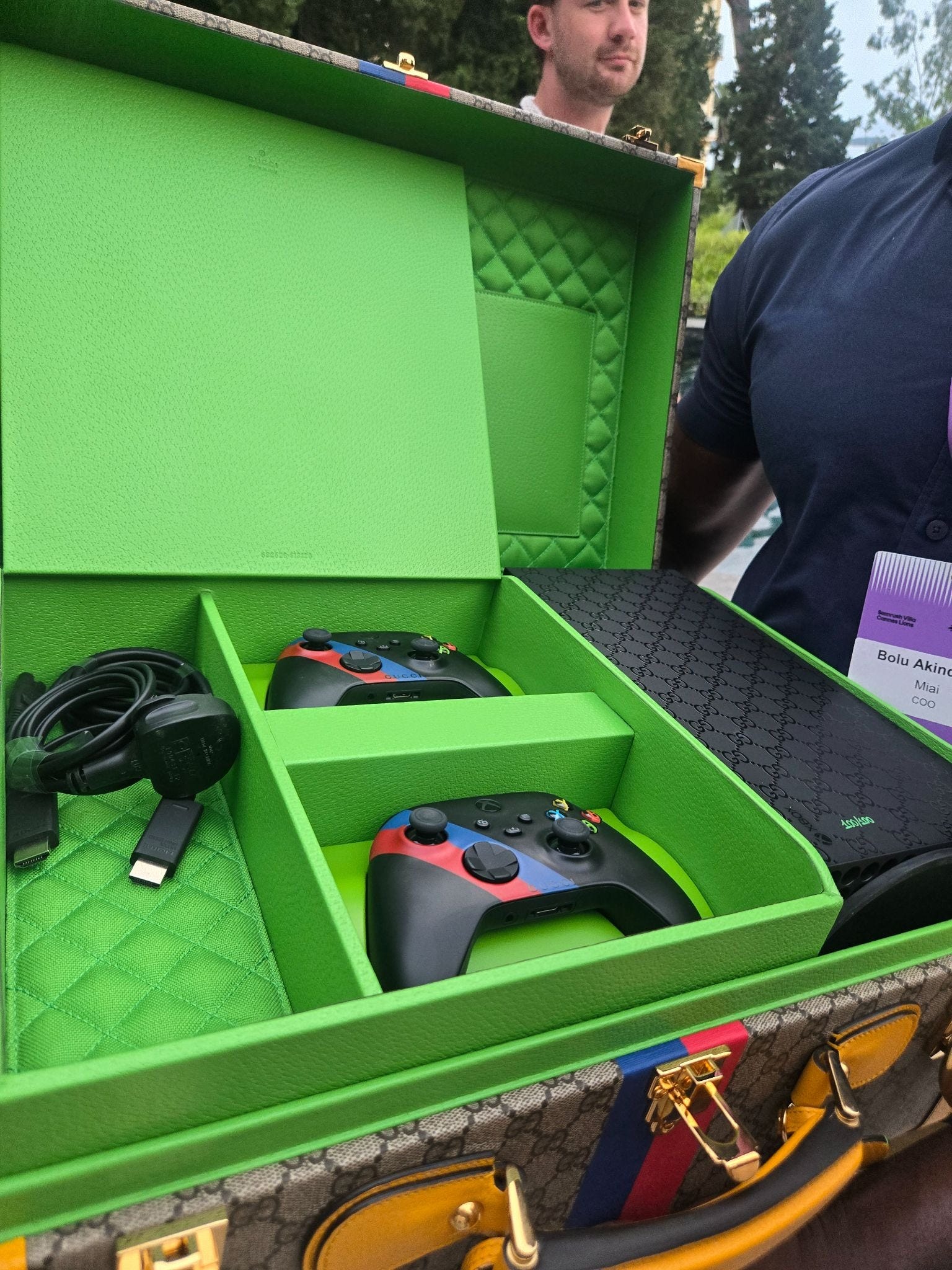
Packaging signals value: the box sets expectations for quality, price and brand. Ryder’s study of 1,300 US shoppers shows 45% say a great unboxing makes them want to buy again, and 19% say gift-like packaging gets them to post photos or videos. So, packaging can lead to UGC like videos, posts, and reviews that AI uses in answers.
Do:
Design the reveal: Make opening and recycling obvious; add one branded moment worth filming.
Ship a 60-second setup video.
Ask for reviews 7 to 14 days after delivery.
Work with YouTube creators on unboxing and product-in-use videos.
Answer real questions in relevant subreddits with a named account that discloses the affiliation.
Before you pitch a creator, it helps to know who AI already listens to in your category. The Citation Source Mapper finds the domains, people, and formats AI cites for your topic and turns them into a ranked outreach list, so your unboxing collab lands with a channel that already shows up in answers. Then run the AI Citation Audit on your top product page to see how citation-ready it is. Both are in the Growth Memo Premium Resource Library.
Stage 4: Win the next purchase between purchases
As winning new customers through organic search gets harder to attribute, the intuitive reaction is to focus on repeat sales. The math favors the second order. Across 12,000+ Gorgias merchants, repeat customers make up 21% of customers and generate 44% of revenue (source). Roughly one in five customers drives nearly half the business, so the first order should start a plan for the second.
Starbucks shows the mechanism at scale: today’s purchase builds toward a future benefit. Rewards members drive about 60% of Starbucks’ US revenue and are 5.6x more likely to visit daily (source).
It doesn’t take a points program, though. Quaker Marine, a nautical clothing brand, sent customers a simple check-in after delivery. Three-week repurchase rose from 9.7% to 11.2%, a 16% lift, without a discount.
Think about this: Shipping confirmation emails have the lowest buying intent (16% CTR) but get the most attention (62% open rate). Are you using them to educate customers or get them excited about the product?
The pattern behind these examples is a loop inside the loop:
Purchase: the order is placed.
Experience: delivery and first use.
Customer signal: usage, a need or a problem.
Timely response: a reorder prompt, service or a reward.
Repeat purchase: the next order.
Triggered emails are 5.3% of sends, 41% of email revenue and earn 18x revenue per recipient vs. campaigns, according to the Klaviyo 2026 benchmarks.
Do:
Build welcome, post-purchase, replenishment, and winback flows.
Split those flows by quiz answers. A field you collect and never use adds nothing.
Time reorder prompts to consumption. Half of second purchases happen within 30 days.
Track loyalty redemption, not enrollment. Active members spend 10% more, redeemers 25%.
Report human CSAT separately so the bot’s numbers can’t hide a decline.
Stage 5: Become the brand shoppers ask for
A brand name in the prompt changes the question. Ask ChatGPT for the best minimalist wallet, and it recommends GRAMS28. Ask for the best Ridge wallet for you, and the only question left is which Ridge. Brand searches are sure wins in AI Search, just like in regular search back in the day.
Ridge CMO: “Probably 70% of our sales come from direct, organic, or branded search. And people aren’t just typing in Ridge Wallet for fun. Something makes them want to search that.”
Brand recall is the cheat code that bypasses any shortlist. As the child of the 4 previous stages, recall is driven by 3 factors:
Repeated exposure (creators, ads, word of mouth)
Distinctive cues (name, design, message)
Good experiences (product, packaging, service)
The first 4 stages “feed” all 3. Showing up on AI shortlists and product grids repeats your name (stage 1). The quiz and the bot turn the visit into a good experience (stage 2). The box delivers the distinctive cue and the first-use moment (stage 3). Every check-in and triggered message adds another exposure (stage 4).
Recall comes first in the shopper’s journey, but it takes the longest to build, so it sits last in the loop. Those memories also leave a public footprint of videos, reviews and web mentions, which is what the Ahrefs correlations from earlier pick up.
Do:
Ask 5 models what you sell, what it costs, and what your return policy is. Fix what’s wrong at the source.
Use one category descriptor on your site and every third-party profile. Audit for drift.
Publish your own comparison pages before a competitor writes them.
Measure unaided recall quarterly: a post-purchase survey for customers, a broader category sample for the market.
Long-term value comes from what’s hard to copy
Every stage of the loop has a part competitors can buy and a part they have to earn.
Any competitor can match shopping protocols, crawler access, email and SMS triggers, a support bot, a quiz tool. That makes it table stakes.
The defensible part takes time and effort but compounds: reviews, creator relationships, community, first-party data and the recall that makes shoppers type your name into a prompt.
That split is the budget question for 2027. Fund the copyable half until you’re even with competitors, then put the rest into the half that compounds.